Digital credentials have increasingly become the preferred way for institutions, training providers, and enterprises to issue trusted records of learning and achievement. As adoption grows, so does one essential question that every decision maker eventually asks: how secure are digital credentials, really?
This guide breaks down the security layers behind modern digital credentialing systems and explains how verification, compliance, and privacy controls protect learners and organizations. If you work in education, workforce development, HR, or certification programs, this is your blueprint for understanding what high quality digital credential security should look like.
What Makes Digital Credentials More Secure Than Paper Certificates?
Paper certificates are easy to forge, duplicate, and manipulate. A scanned PDF can be edited in minutes. A printed certificate can be faked with little effort.
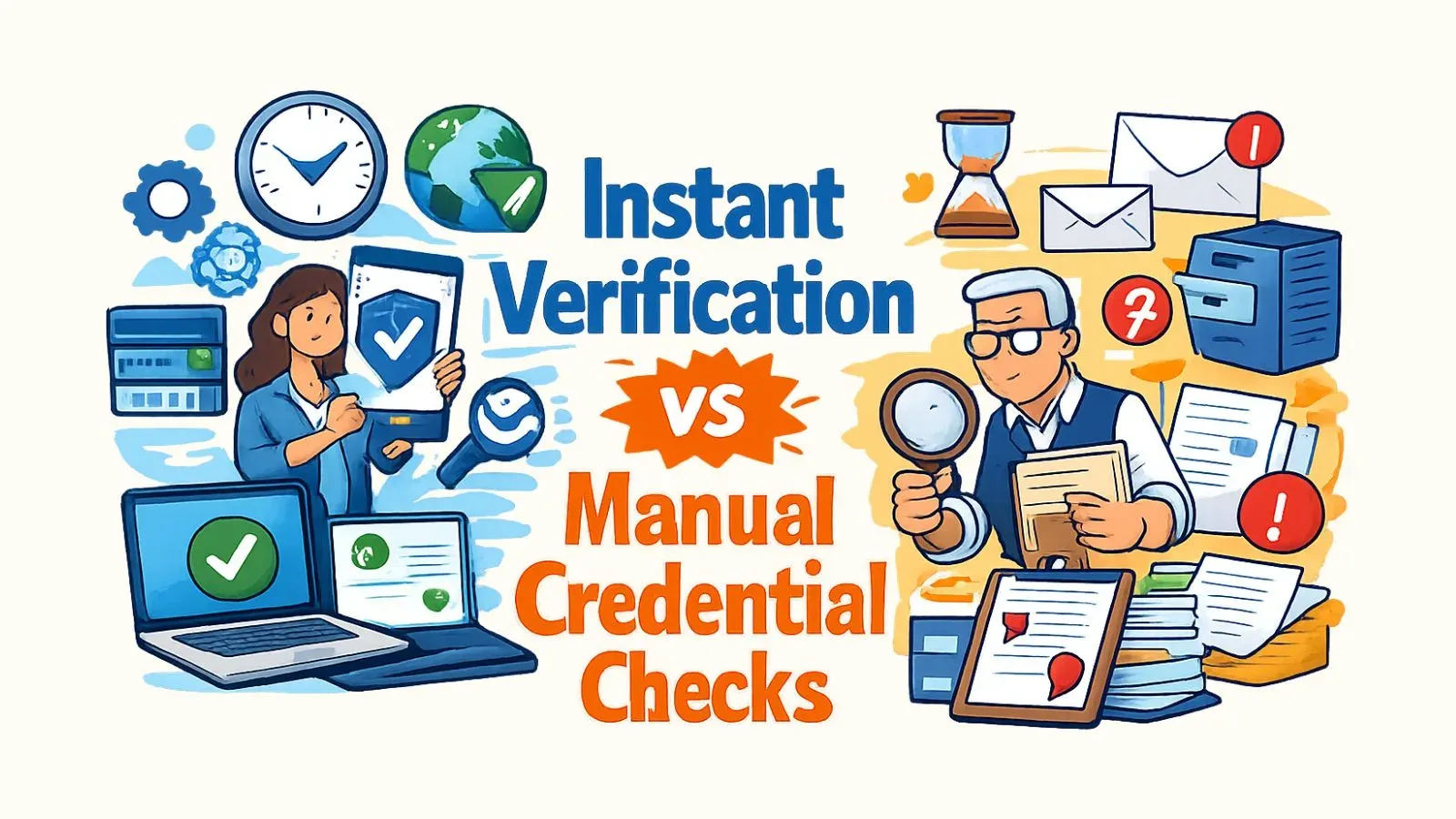
Digital credentials solve these weaknesses by combining secure verification links, tamper evident metadata, and identity validation. Every issued digital badge or certificate comes with proof of origin, proof of issuance date, and proof of authenticity. This is what allows employers and institutions to check credentials instantly without relying on manual verification. Many institutions now audit their credential security before scaling digital issuance. Understanding how verification and revocation work early can prevent costly fixes later.
In EDU and enterprise environments, this reduces fraud risk, eliminates paperwork, and protects your brand from misuse.
Explore how modern digital credentials are issued, verified, revoked, and protected at Hyperstack. Streamline your credentialing process with open standards, compliance-ready infrastructure, and tamper-resistant verification layers built for real-world EDU and enterprise use.
To see what secure digital credentialing looks like in practice, just schedule a free demo today!
How Does Verification Work for Digital Credentials?
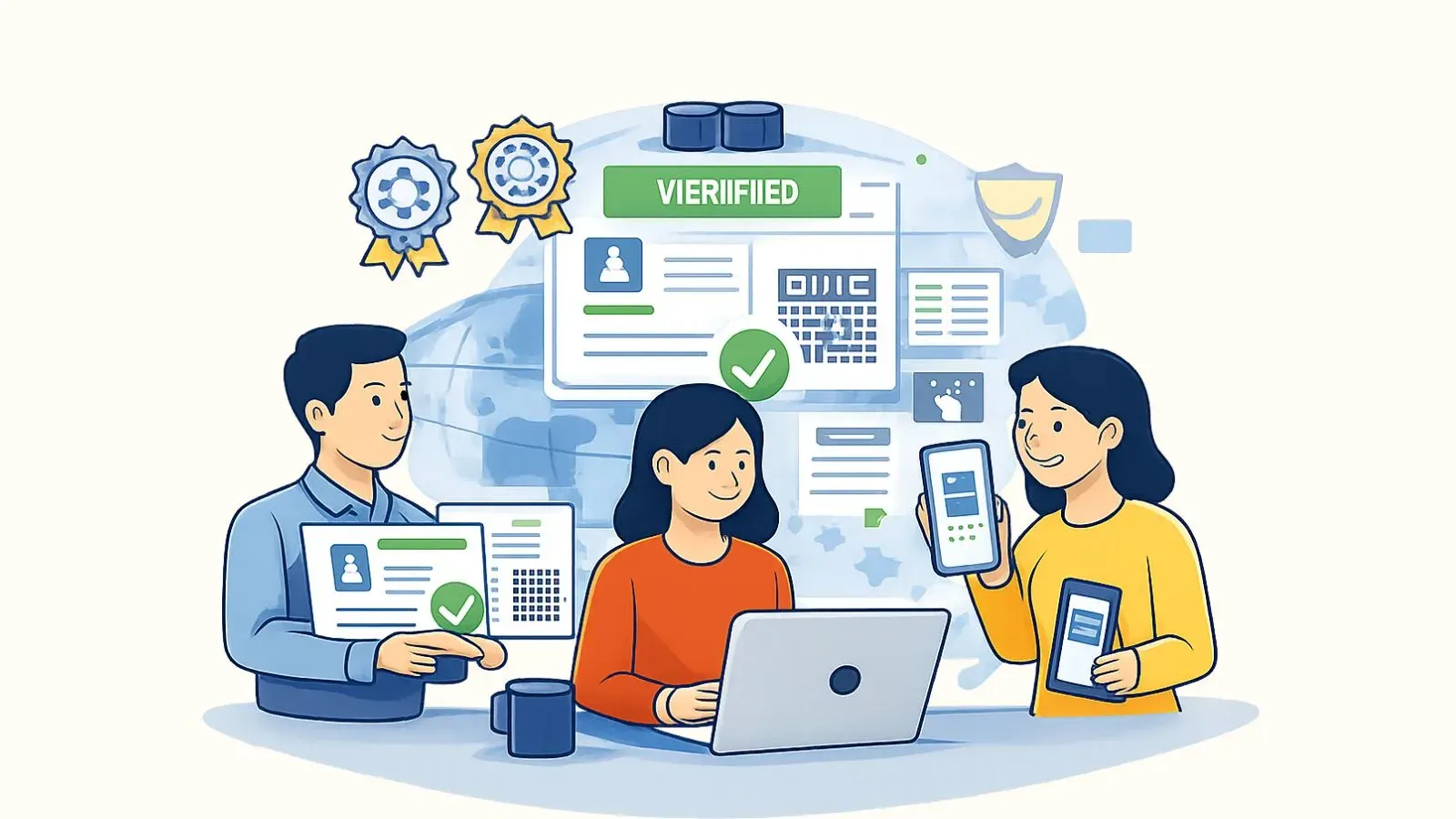
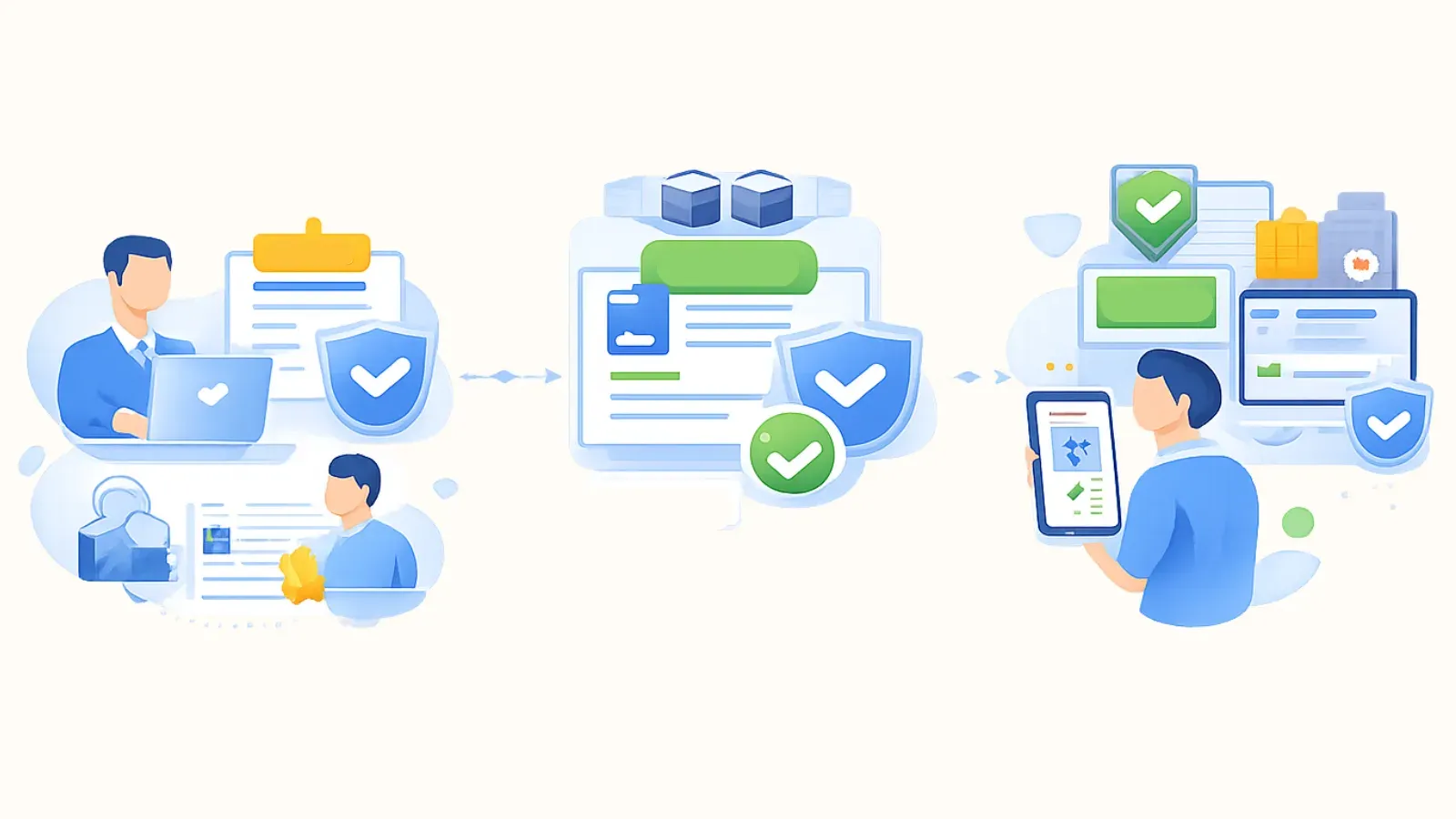
Verification is the core of digital credential security. A legitimate credential should be verifiable in seconds.
Verification uses three layers,
- A secure, unique credential URL: This URL confirms authenticity and cannot be duplicated.
- Tamper resistant metadata: Information such as the recipient, issuer, date, and criteria is locked and cannot be edited after issuing.
- Server side validation: The platform confirms whether the credential is active, expired, updated, or revoked.
The result is a credential that cannot be copied in Photoshop, cannot be forged with a template, and cannot be reused by another individual.
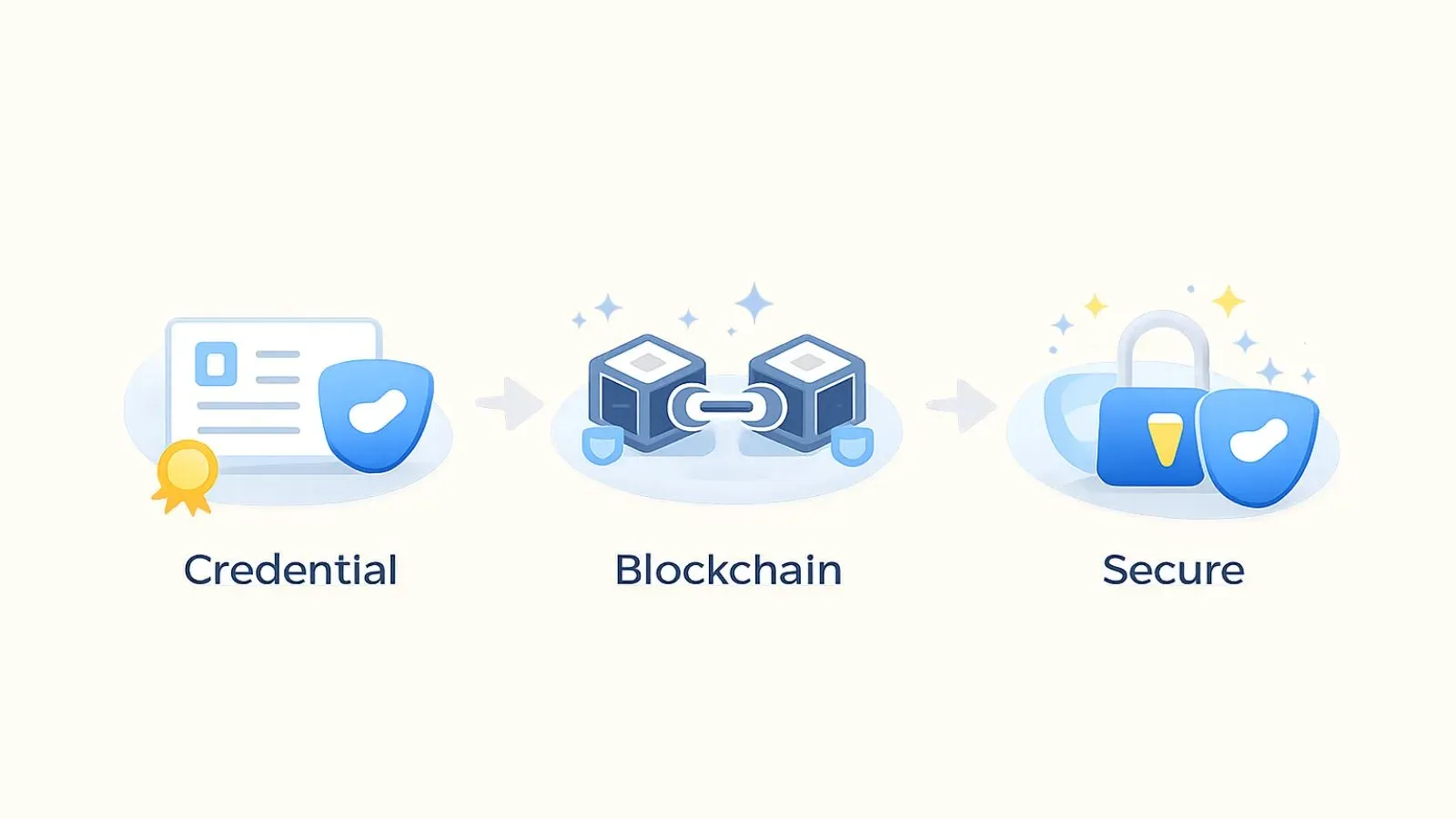
Are Blockchain Verified Credentials More Secure?
Blockchain adds another layer of Kevlar by creating an independent, immutable record of the credential. It provides:
- Transparent verification
- A decentralized trust layer
- Permanent timestamping
- Resistance to forgery
Blockchain is not required for every institution, but it dramatically strengthens trust when used for high stakes credentials such as professional certifications or government aligned programs.
For EDU and enterprise, blockchain-verified credentials provide a strong competitive advantage in credibility and audit readiness.
How Does GDPR Protect Learner Data in Digital Credentialing?
GDPR establishes strict rules for handling personal data. Any platform used by schools, universities, or corporations must follow these principles.
GDPR requires:
- Clear consent
- Lawful data processing
- Transparency about how data is used
- The ability for learners to access or delete their information
- Secure data storage and processing
- Privacy by default
For global organizations, GDPR compliance ensures that learner information is protected across international borders. This is particularly important for online universities, cross border training, government grants, and workforce development programs.
Why Should EDU and Enterprise Care About SOC 2 Compliance?
SOC 2 evaluates whether a technology provider has appropriate security controls in place to protect your data. It focuses on five categories: security, availability, processing integrity, confidentiality, and privacy.
For EDU and enterprise buyers, SOC 2 compliance signals:
- Strong internal security
- Reliable infrastructure
- Rigorous risk management
- Protection against data breaches
- Consistent operational processes
A digital credentialing platform with SOC 2 Type II has undergone months of testing and auditing. This makes it a safer choice than uncertified tools or basic certificate generators.
Can Digital Credentials Be Copied or Screenshot Without Permission?
Screenshots and images can be shared, but the verification link cannot be faked. Screenshots do not validate a credential. The verification page is the source of truth.
Employers and institutions are trained to avoid accepting screenshots or PDFs. They rely on verifiable URLs, QR codes, or blockchain anchored records. Even if a learner tries to share an image, the real value lies in the verification link. If the verification fails, the credential is not authentic.
This prevents impersonation and identity theft.
How Does Revocation Protect Your Organization?
Unlike paper certificates, digital credentials can be:
- Revoked
- Suspended
- Updated
- Reissued
This is especially useful for:
- Compliance certifications
- Professional licenses
- Program updates
- Misuse or misconduct cases
Revocation ensures that only valid and current credentials remain active, protecting both learners and issuing organizations.
Can Digital Credentials Integrate With LMS and HR Systems for Security?
Yes. Integrations reduce manual errors and keep data consistent across systems.
Examples include:
- LMS triggers for issuing badges after course completion
- HRIS integrations for employee training verification
- CRM workflows for professional certifications
- API based automation for high volume issuers
Integrated systems lower security risk by reducing human intervention and preventing accidental issuance.
What Happens to Credential Security if a Platform Shuts Down?
A credible provider uses open standards such as Open Badges, export features, and verifiable credential formats that remain accessible even if the platform is unavailable. Many systems offer downloadable backups, exports, and portable metadata.
Learner owned credentials are part of emerging ecosystems where the learner controls their records, not the platform.
This ensures long term preservation and trust.
Why Digital Credentials Are the Secure Future of EDU and Enterprise
Digital credentials provide the highest level of security currently available for academic and workforce achievements. They remove the burden of manual verification, protect institutions from fraud, and give learners a portable, verifiable identity.
As regulations increase and global mobility expands, secure digital credentials are rapidly becoming a standard requirement across universities, corporations, and government bodies.
If your institution values trust, compliance, and safety, digital credentials offer a future ready solution that protects learners and your organization at every step.
Frequently asked questions
Yes. Digital credentials use secure verification systems, server validation, and tamper proof metadata that make them significantly more secure than paper.
Forging a digital credential is extremely difficult because verification requires confirmation from the issuing platform. Screenshots and images cannot replicate verification.
Yes, especially if you serve global learners or operate within regulated industries. Compliance ensures that your learner data is protected and audit ready.
Learners can rely on verification links, encryption, and compliance frameworks. They also gain transparency into what data is stored and how it is processed.
Yes. Employers now prefer digital badges and certificates because they can verify skills instantly without paperwork.
Tags