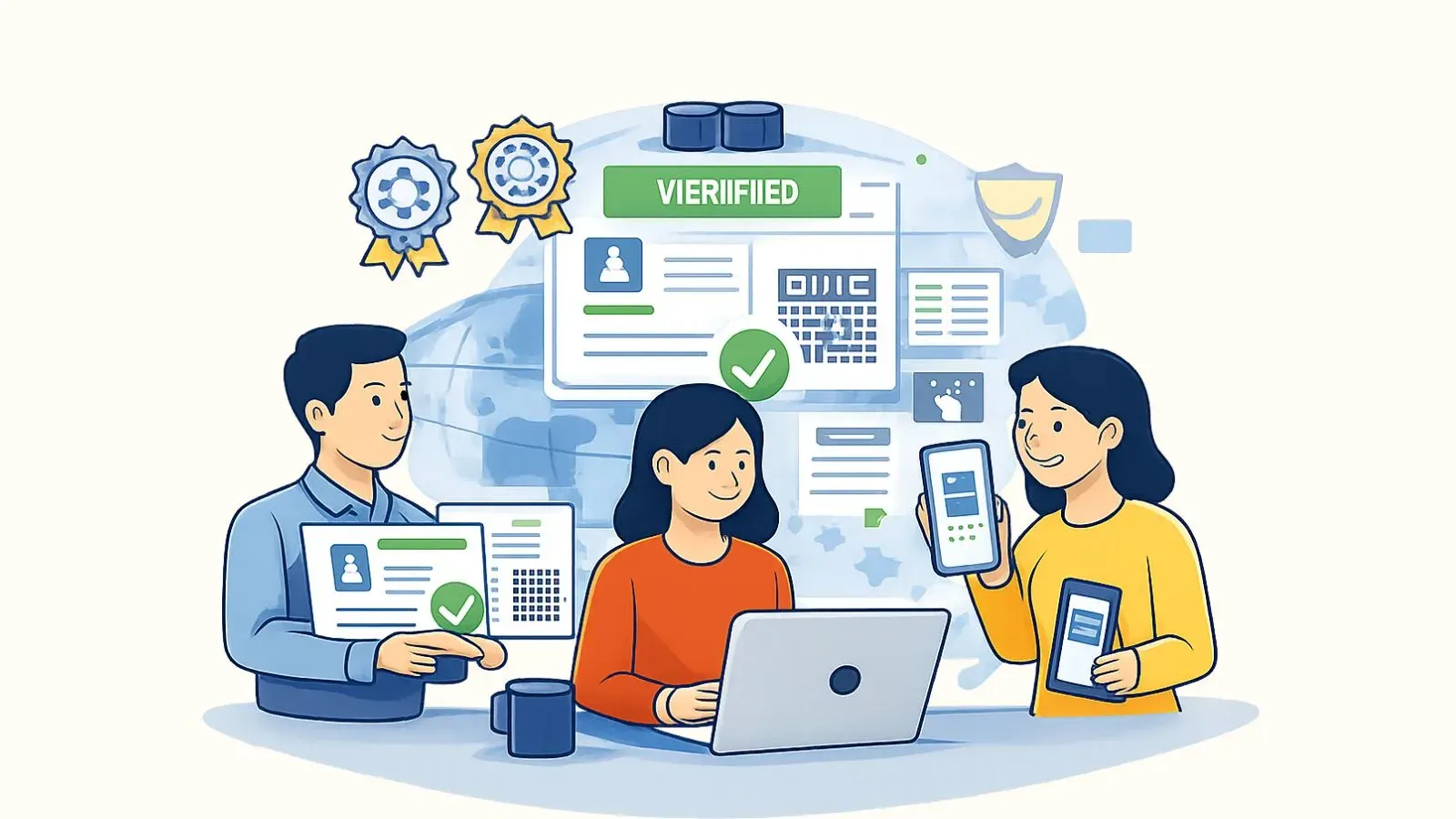
Digital credentials are moving rapidly into the mainstream. Governments are adopting digital identity systems, universities are shifting to skills based verification, and employers are relying on online credential validation more than ever. The big question many institutions still ask is simple: will digital credentials be fully accepted by governments and universities in 2026?
The short answer is in fact, ‘yes’. The longer answer is worth exploring, because it explains why 2026 is shaping up to be a major turning point for digital credentialing worldwide.
Below is a complete breakdown of what acceptance looks like, why adoption is accelerating, and what organizations like yours should prepare for next.
Why Governments Are Preparing to Accept Digital Credentials
Government agencies are under pressure to modernize identity and qualification verification. The rise of national digital identity programs, verifiable credentials, and blockchain based recordkeeping has created a clear pathway for digital credential adoption.
Here’s what is already happening:
Governments are building digital identity ecosystems
Countries in the European Union, Singapore, India, Australia, and the United States are working on digital identity frameworks that support digital certificates, blockchain verifiable credentials, and online credential verification. Homes, workplaces, and government services are all shifting toward identity systems that rely on secure online records.
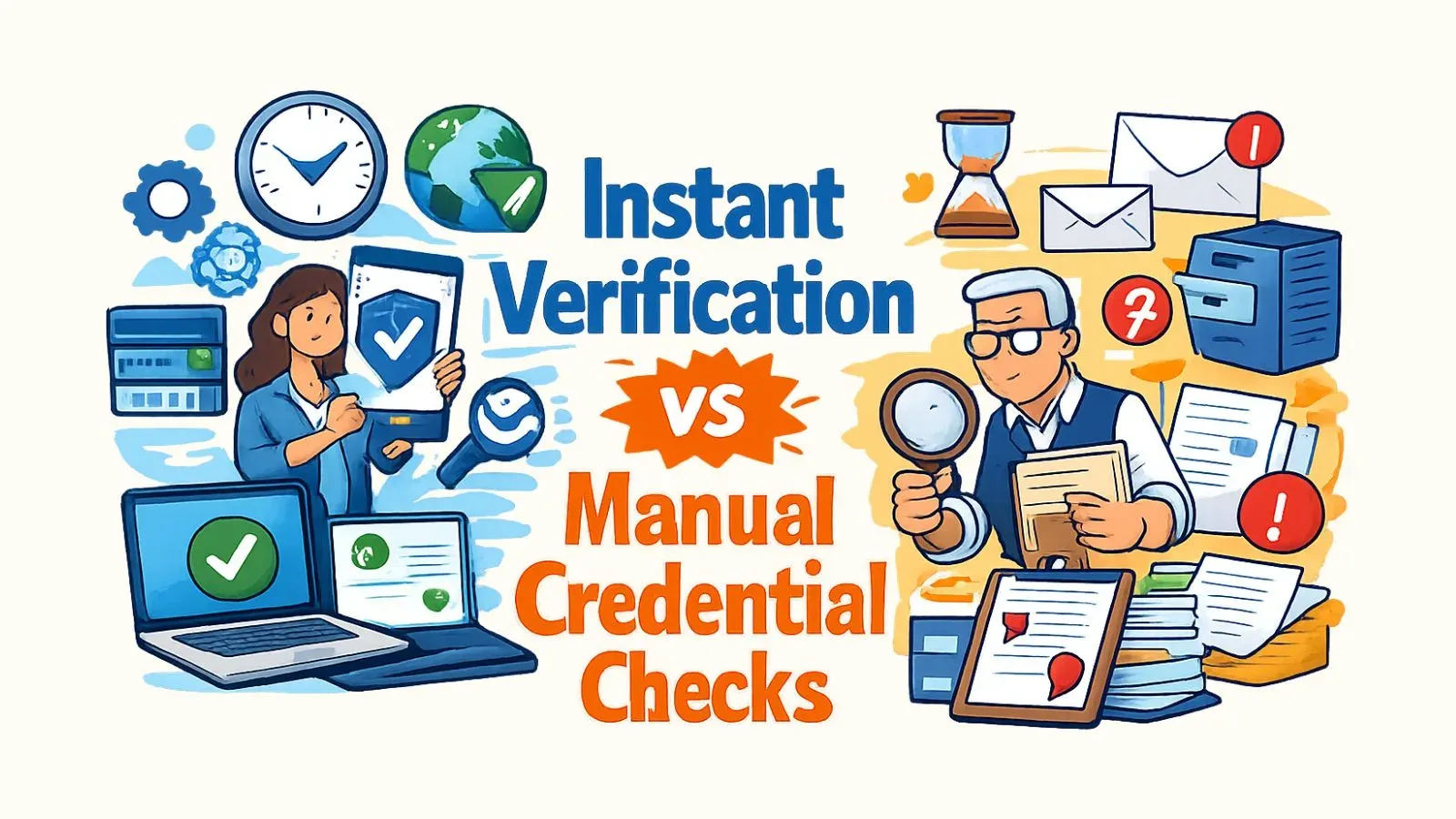
Digital certificates reduce fraud and manual verification
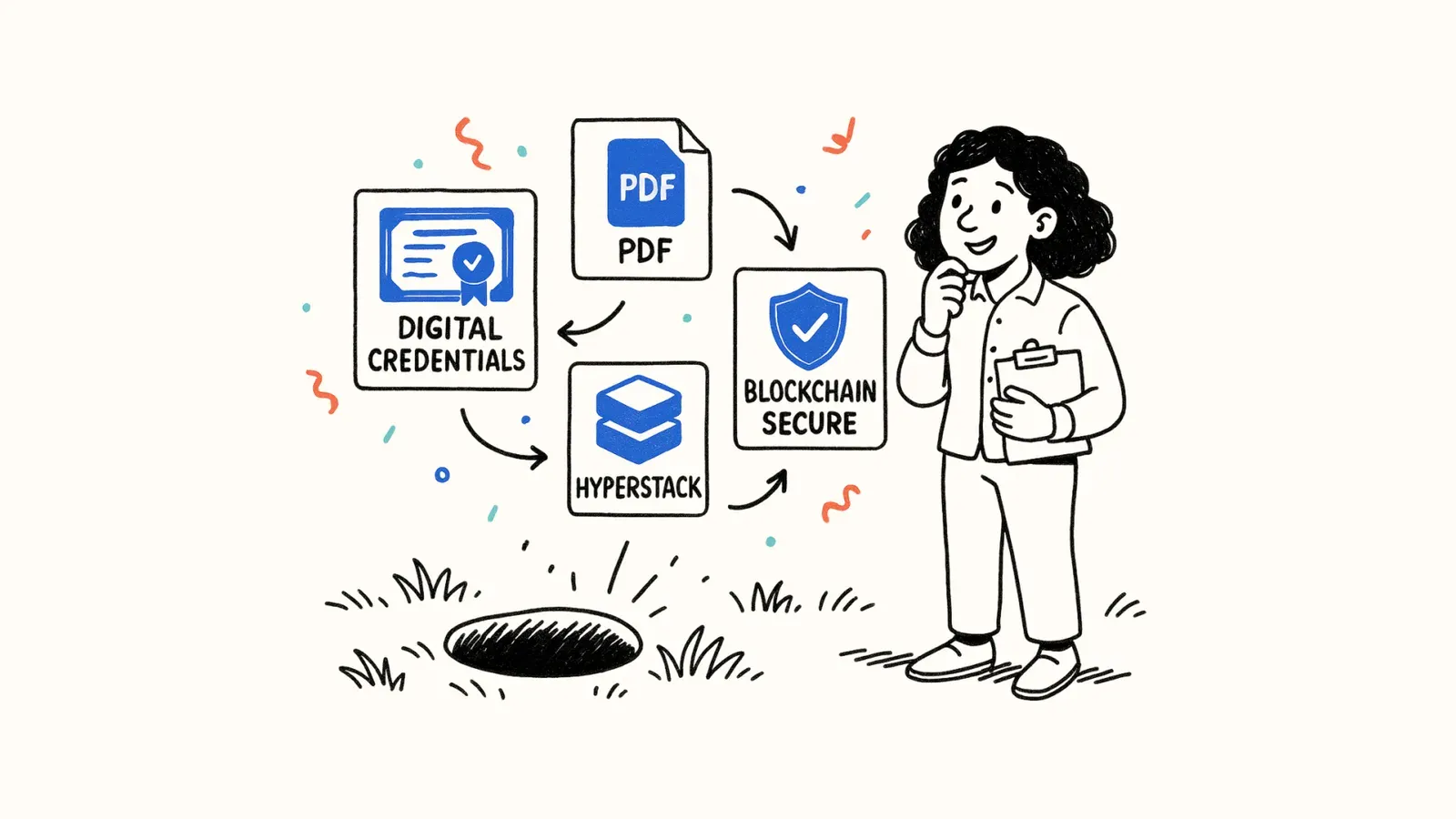
Offline certificates and PDFs are easy to forge. Governments prefer verifiable digital credentials because they protect citizens from the increasing rate of fraud and to reduce administrative workload across the multitude of verification offices.
Public sector hiring demands faster verification
Government agencies are already modernizing recruitment pipelines to manage and maintain the natural cadence within their respective ecosystems. Many already accept digital badges, digital transcripts, and verified digital certificates to speed up skill validation.
The direction is clear. Government bodies are moving toward digital credential acceptance because it aligns with digital identity modernization, global mobility, and verification security.
See how digital credentials can work for your institution
Digital credentials are becoming a global standard for verification and security. If you want to understand what this shift means for your team, start with a quick walkthrough of how modern credential workflows operate.
Explore Hyperstack’s Credentialing Platform Today!
Will Universities Accept Digital Credentials in 2026?
Universities are not just accepting digital credentials. Many are issuing them.
Universities need portable skills based records
Students expect credentials they can share on LinkedIn, job portals, digital wallets, and employer platforms. Digital badges and digital certificates solve this demand.
Academic fraud protection is a growing priority
Digital diploma verification is far more secure than paper based equivalents. Universities want credentials that cannot be forged and can be verified instantly online.
Skills based education is expanding
Micro-credentials, bootcamps, career education, and blended learning all rely on digital credentialing platforms to track learning outcomes. Digital badges and Open Badges help universities communicate skills more clearly than traditional transcripts.
International learners prefer immediate verification
Students applying abroad need quick turnaround times for verification. Universities using digital transcripts and verifiable credentials support faster mobility.
By 2026, digital credentials will be a moving part within university systems and not a future roadmap item.
Are Digital Credentials Legitimate and Recognized by Employers?
This question appears often in search data and “People Also Ask” results. It also represents a core trust indicator for new adopters.
The answer is yes. Digital credentials are legitimate and recognized across industries. In fact, employers often prefer them because they enable quick verification, detailed skill breakdowns, and are direct links to issuer credibility.
Digital credentials are accepted by:
- Tech companies
- Universities and colleges
- Government training agencies
- Healthcare institutions
- Certification bodies
- Large enterprises with skills frameworks
- Upskilling and reskilling programs
Employers value transparent, verifiable competencies. Digital credentials check every box.
How Secure Are Digital Credentials for Government and University Use?
Security is one of the biggest reasons digital credentials are already gaining institutional approval.
Blockchain backed verification
Many digital credentialing platforms support blockchain verification, which prevents forgery and ensures tamper proof validation.
SOC 2 and GDPR compliance
Governments and universities prefer platforms that follow data protection standards, including GDPR, SOC 2 Type II, and ISO 27001. These frameworks give institutions confidence that learner data is stored and processed responsibly.
Data protection by design
Modern digital credential systems use encrypted storage, secure access policies, and transparent data processing that aligns with global privacy regulations.
This makes digital credentials more secure than traditional certificates and transcripts.
What Types of Digital Credentials Will Be Widely Accepted in 2026?
Acceptance is expanding across several formats. The most recognized are:
- Digital badges
- Digital certificates
- Micro-credentials
- Open Badges 3.0 credentials
- Digital diplomas
- Verifiable transcripts
- Blockchain anchored certifications
These formats are used in education, professional development, corporate learning, and government workforce programs.
What This Means for Your Organization in 2026
If you issue certificates, evaluate learners, track skills, or verify achievements, digital credentials are no longer optional. They are becoming the expected standard.
Here is what this shift means for your organization:
- You can improve trust through online verification
- You can reduce operational load by automating issuance
- You can support global learners with GDPR compliant processes
- You can improve hiring outcomes with verifiable skill records
- You can align with government and academic requirements early
- You gain stronger protection against credential fraud
- You prepare your programs for interoperability with future digital identity systems
Digital credentials help institutions stay relevant, secure, and student or workforce friendly.
Ready to issue secure digital credentials that governments and universities trust?
Move your credentialing system to a platform that supports verification, compliance, and scale. See how Hyperstack fits into your academic or workforce programs.
Frequently asked questions
Yes. A growing number of governments already accept digital credentials as legitimate proof of skills or education. Regions like the EU with Europass, Australia, Singapore, and several U.S. states have begun formal adoption. The shift is happening because verifiable digital formats are harder to forge and easier to audit.
Many universities now do. Digital credentials are used for validating prior learning, micro-credentials, professional development, and continuing education. Institutions such as MIT and Stanford already integrate digital verification tools into admissions and credit evaluation. Universities want faster, cleaner workflows and digital credentials fit that future.
With cryptographic signatures and tamper detection, digital credentials often exceed the security of paper certificates. They can be verified instantly, traced back to the issuer, and checked for authenticity without any manual validation or phone calls. In other words, they do what paper never could.
The strongest standards in circulation include: • Open Badges v3 • W3C Verifiable Credentials • Blockchain or cryptographic verification These frameworks allow credentials to travel across systems and borders without losing trust or technical compatibility.
Employers can click a verification link or scan a QR code to confirm the credential's authenticity. They can view the issuer details, the achievement evidence, and the exact criteria behind the award. Verification becomes fast, objective, and fraud resistant.
In some sectors they already have. Tech, design, finance, and many professional learning ecosystems rely almost entirely on digital verification. Some government and academic offices still ask for physical copies due to legacy processes, but the long term direction is clear. Digital first is becoming the default.
Institutions should prioritize platforms that support global standards, provide cryptographic verification, offer issuer authentication, allow data portability, and guarantee long term accessibility. Strong customization tools and branding support also matter. A platform without reliable verification layers risks rejection by universities, employers, and government agencies.
Tags
- Digital credentials 2026
- Government digital credentials
- University digital credentials
- Digital certificate verification
- Digital badges acceptance
- Open badge verification
- Verifiable digital certificates
- Blockchain based credentials
- Skills based digital credentials
- Digital diploma verification
- Credential verification online
- GDPR compliant credentialing
- SOC 2 credentialing platform
- Digital credentialing platform
- University skills credentials
- Government recognition digital certificates
- Secure digital credentials
- Digital transcripts verification
- Microcredential adoption 2026
- Academic digital credentials