Science Fair certificate templates and badges
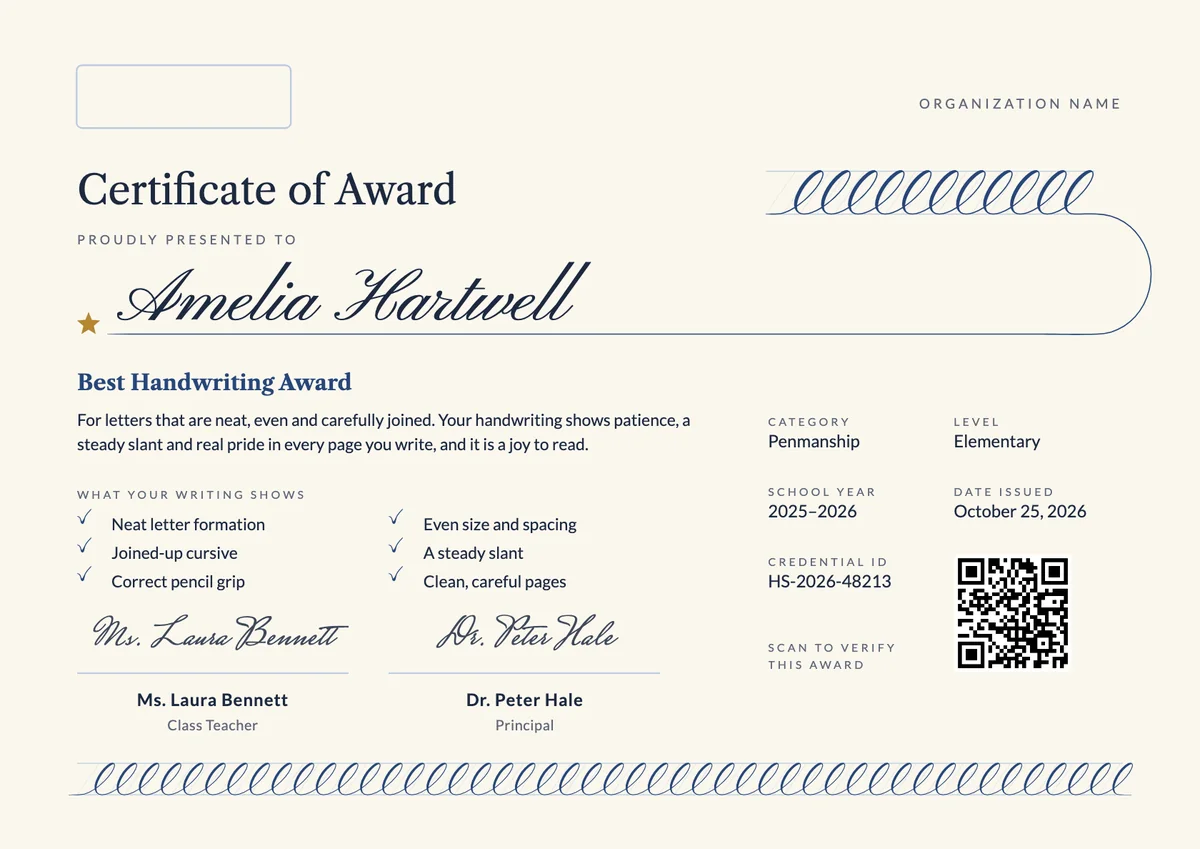
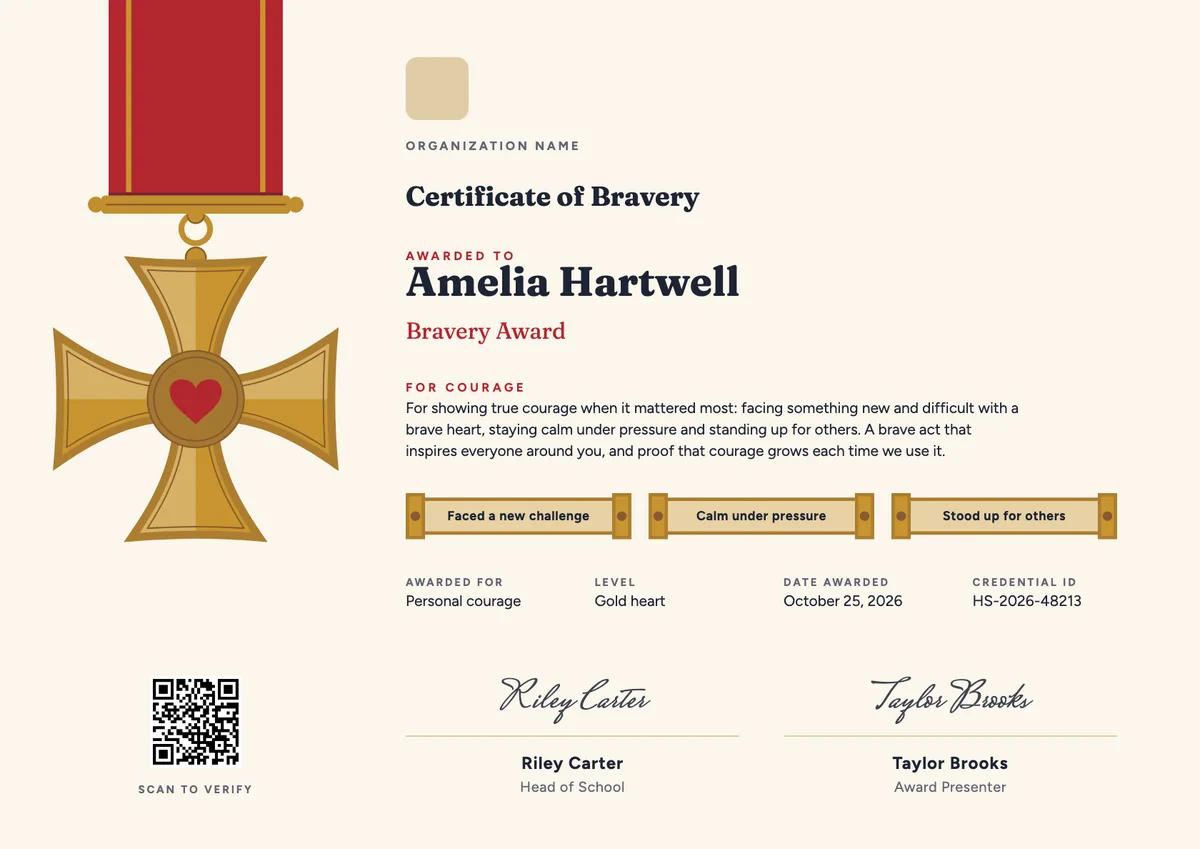
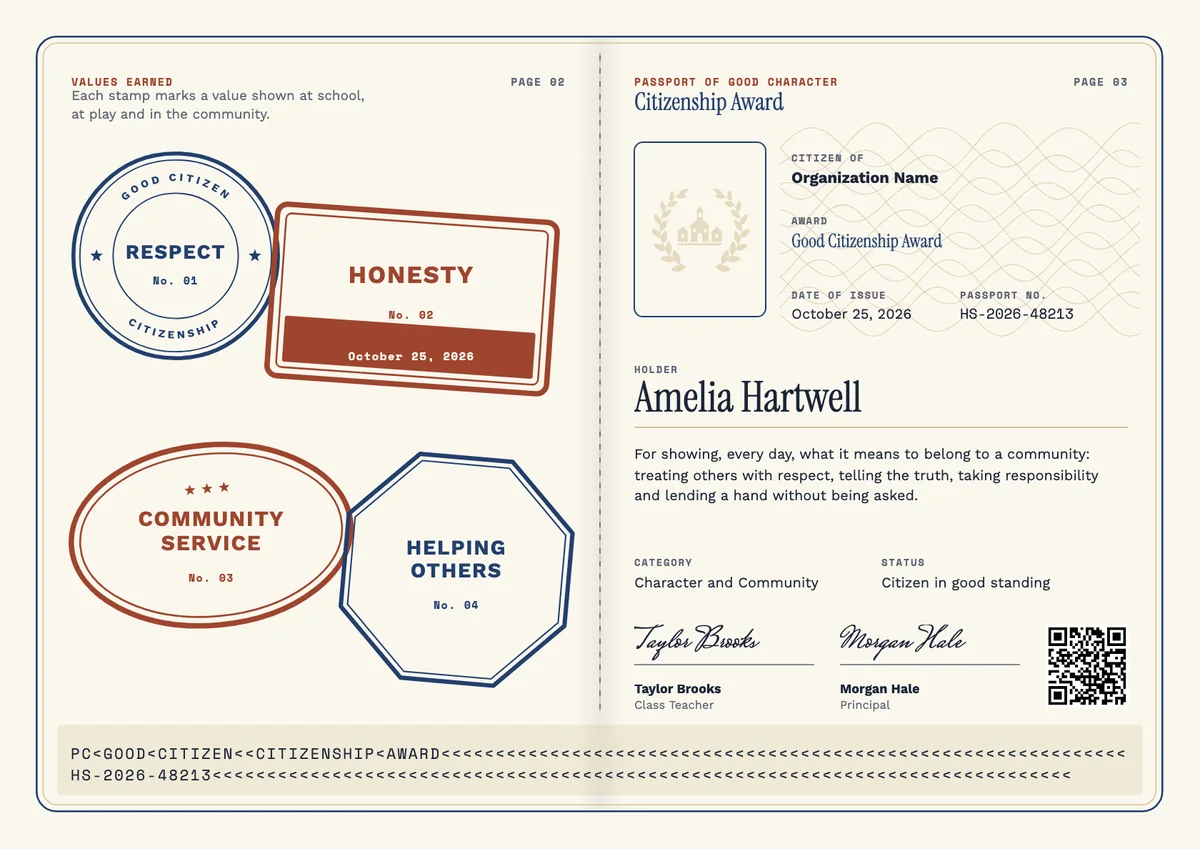
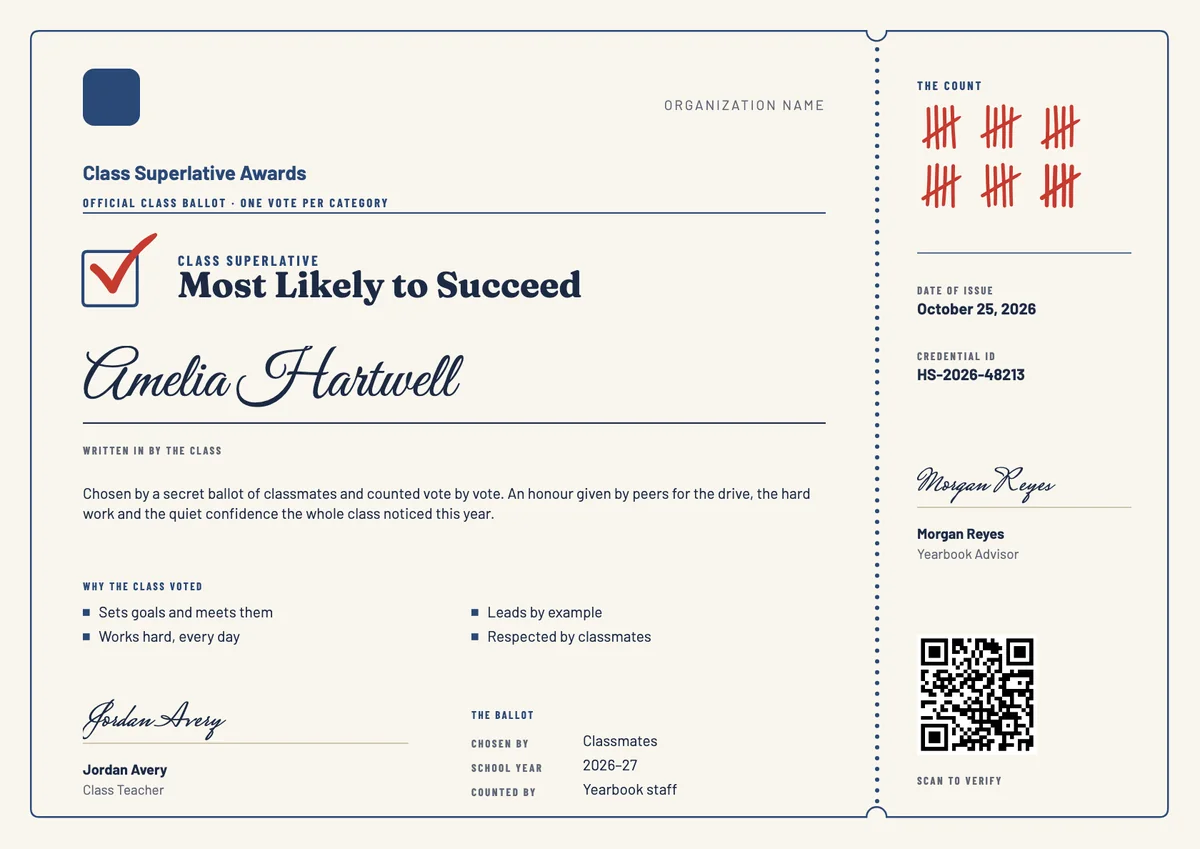
3 free designs. A set is one design as a badge, a landscape or a portrait certificate, or all three.
Free for up to 20 recipients a year
Tri Fold Board set
Badge · Landscape · Portrait
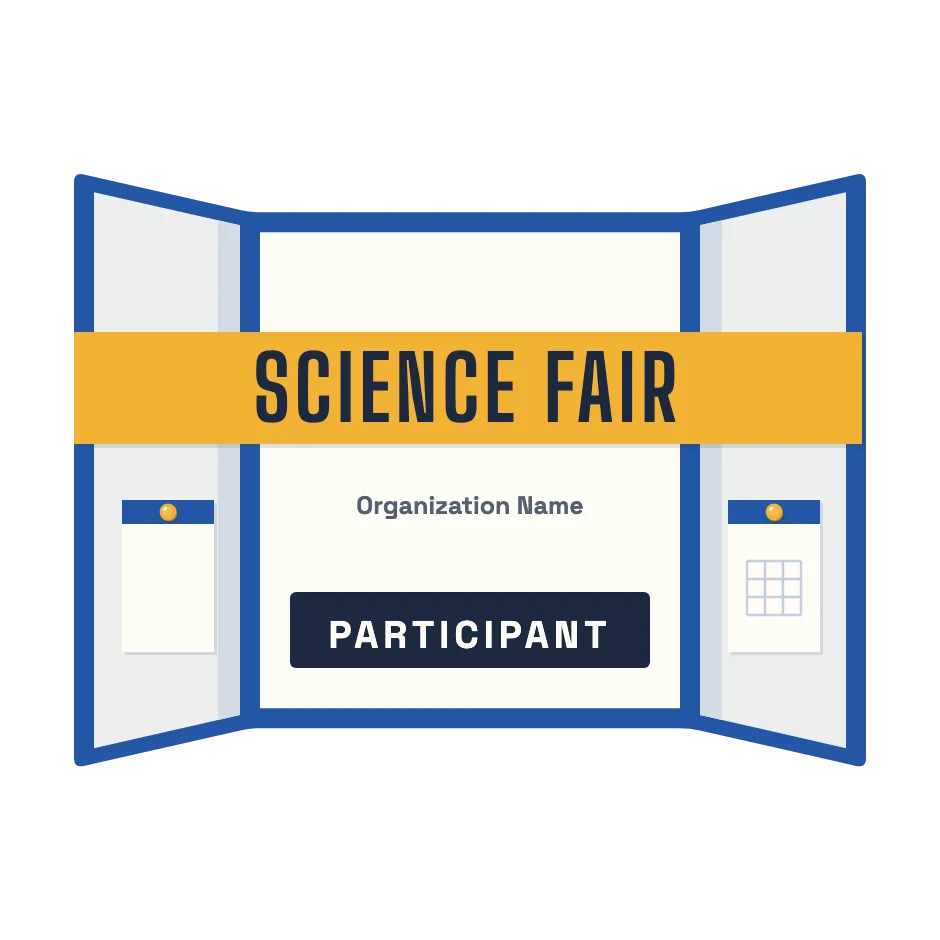
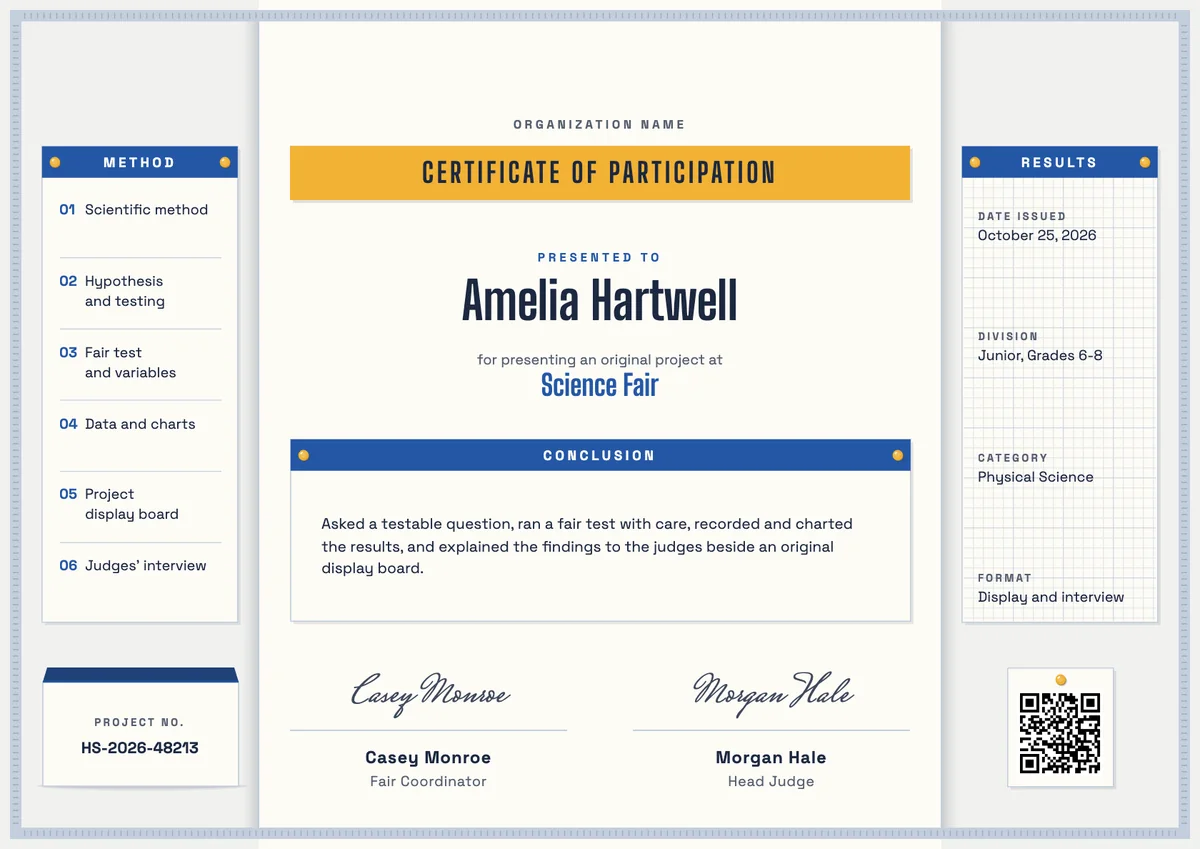
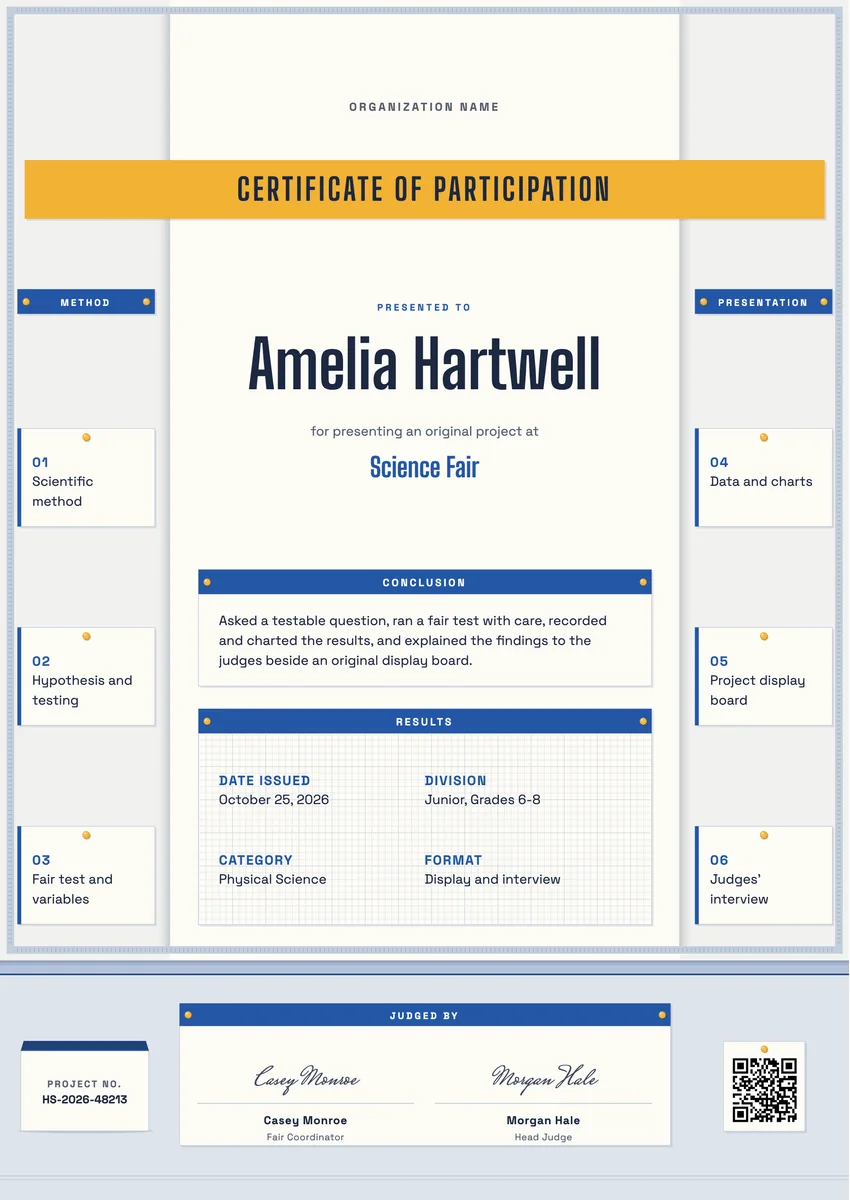
A science fair certificate template gives every student who presented a project a record of the work behind it: a testable question, a hypothesis, a fair test, the data and the talk with the judges. Elementary, middle and high schools, homeschool groups, STEM clubs and district or regional fairs give one to each presenter, usually at the awards assembly or on the last day of the fair, and many add a separate award for the placings.
A good one names the student, the fair and the year, says what the student did, and is signed by the fair coordinator or a judge. Some also note the division, the category and a project number. The designs here come as certificates in A4 and US Letter and as badges, so you can print the page for the student's folder and send the same award by email for parents to see and share.
Wording
What to write on a science fair certificate
Use these lines as they are, or as a start for your own. Every template comes with wording you can change in the studio.
Wording for a science fair certificate of participation
- “For presenting an original project at the 2026 School Science Fair.”
- “In recognition of a well-planned experiment, a clear display board and a confident talk with the judges.”
- “For asking a good question and testing it like a scientist.”
Science fair award template wording for placings and prizes
- “First Place, Physical Science Division, Grades 6-8.”
- “Judges' Award for the best use of data and charts.”
- “Honorable Mention for an original and carefully tested hypothesis.”
Short lines for the badge or the email
- “Science Fair Participant 2026.”
- “Question asked. Experiment done. Well done.”
Why send it with Hyperstack
More than a PDF
Customize the template free. When it is ready, send it to everyone at once.
One design, every name
Upload a spreadsheet and Hyperstack makes a certificate of participation for each person on it, in one go.
Sent by email
Each recipient gets their own email and link. You see who opened it, downloaded it and shared it.
Anyone can verify it
The QR code opens a page that proves the certificate is real. Recipients add it to LinkedIn in one click.
FAQ
Questions, answered
Most schools give a certificate of participation to every presenter and a separate award to the placings and special prizes. Planning, testing and presenting a project takes weeks, so recognising every student keeps younger children keen to enter again next year.
The student's name, the name and year of the fair, a line about what they did (for example presenting an original project to the judges) and a signature. Adding the division, the category and the project number helps when a fair has many entries.
Usually the fair coordinator or science teacher, and often the head judge. At a district or regional fair, the fair director or a representative of the sponsoring organisation may sign as well.
Yes. Change the program to the name of the event, such as Science Month or STEM Week, and adjust the statement to what the students did, for example an investigation, a lab day or a poster presentation.
Divisions usually group students by grade, such as Elementary, Junior (grades 6-8) and Senior (grades 9-12). Categories group projects by field, such as physical science, life science, earth and space or engineering. Fill in the ones your fair uses, or leave them out.
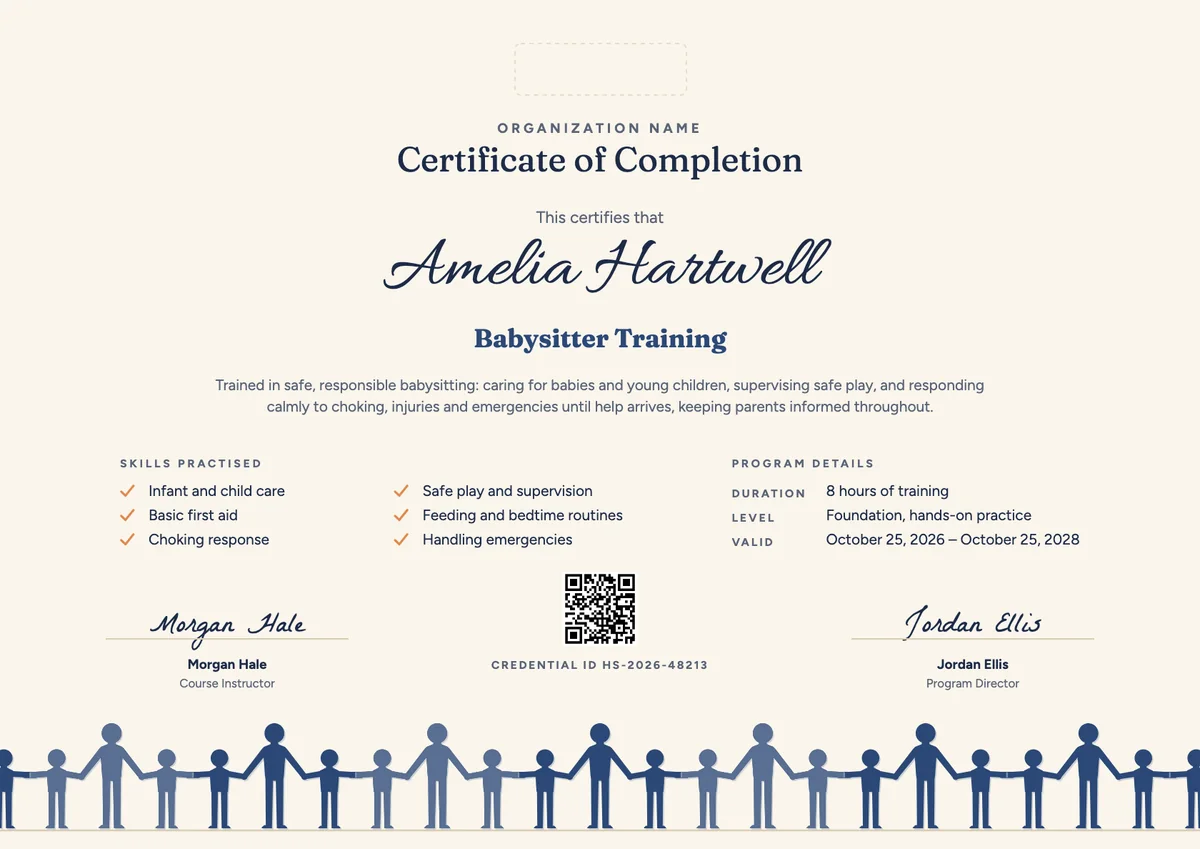
Your next cohort deserves better than a PDF
Set up in minutes, send your first credentials today, and only pay once you grow past 20 recipients a year.
Or open a live sample credential