CPR Training certificate templates and badges
3 free designs. A set is one design as a badge, a landscape or a portrait certificate, or all three.
Free for up to 20 recipients a year
Tally Count set
Badge · Landscape · Portrait
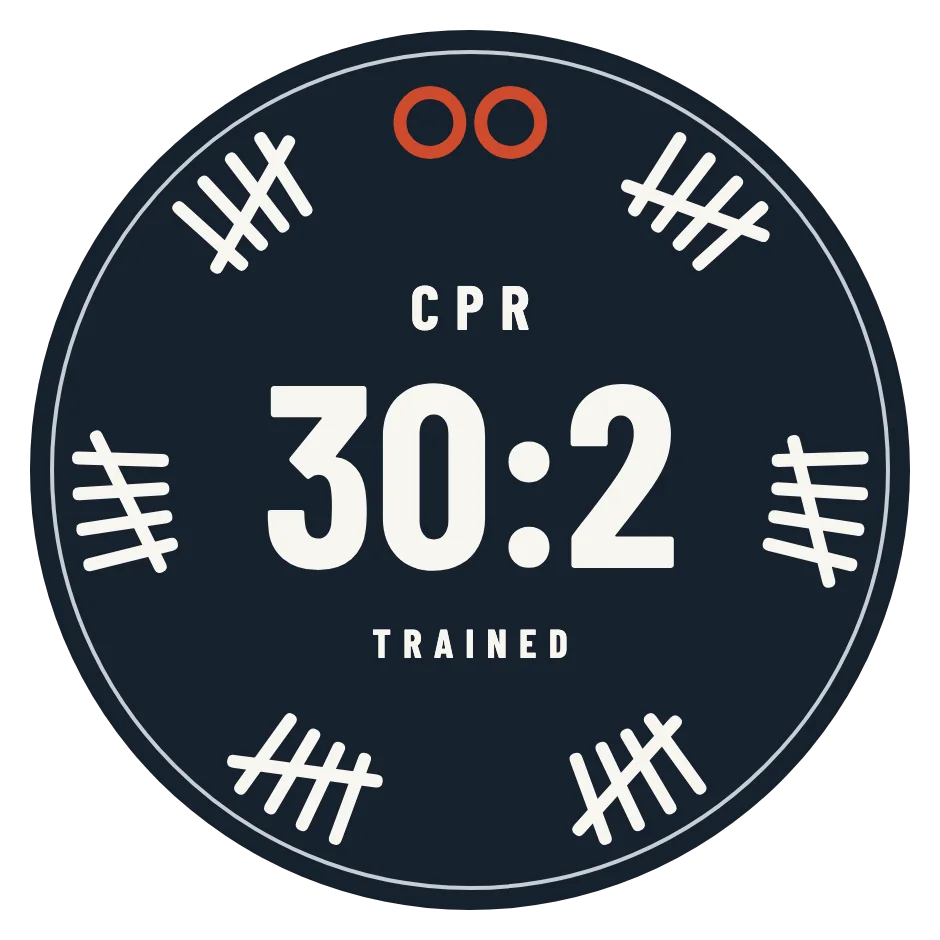
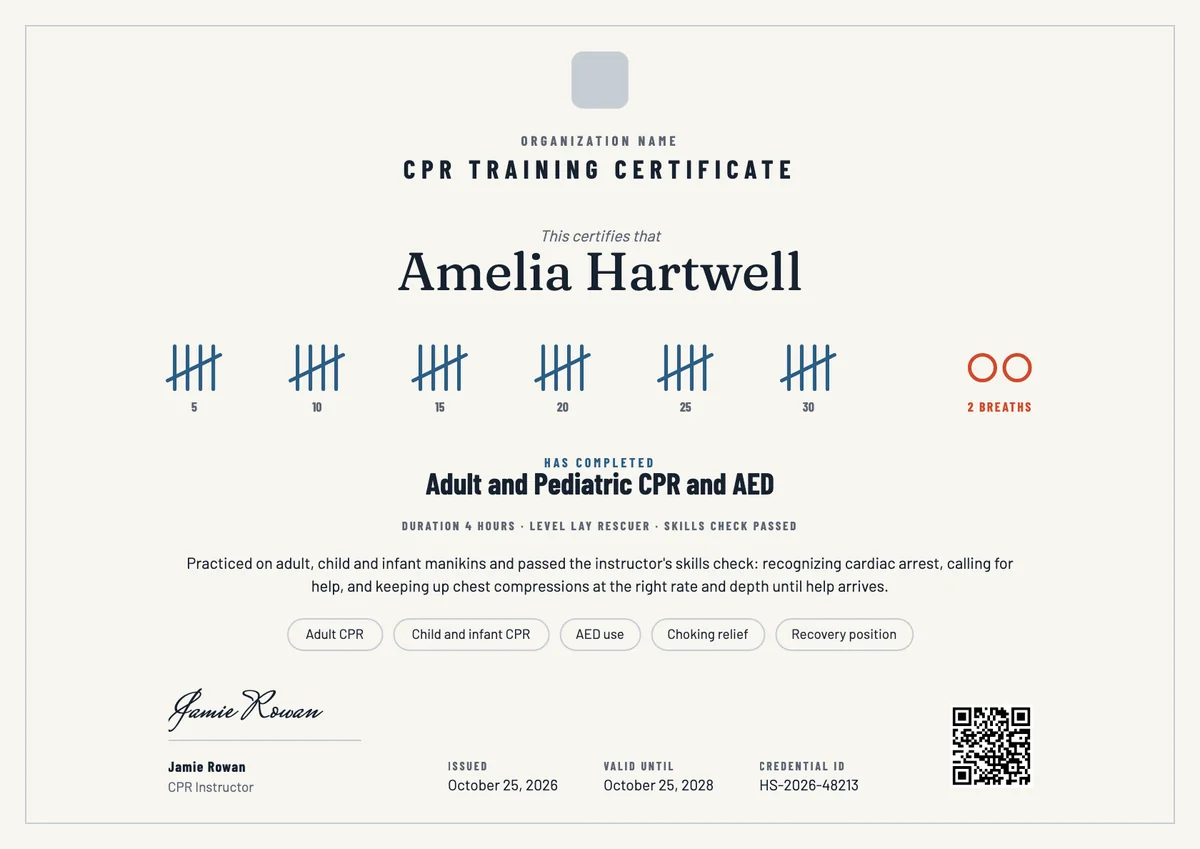
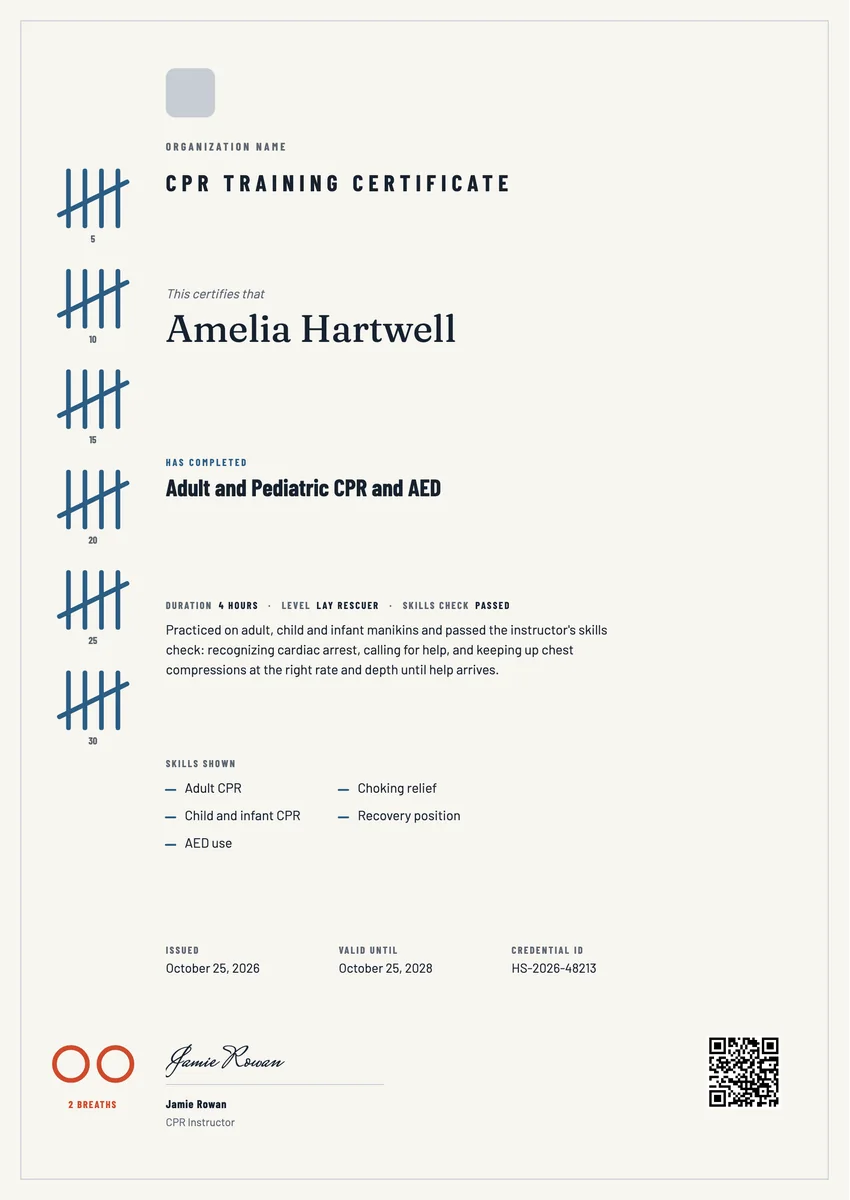
A CPR certificate template gives instructors, workplace safety teams, schools, sports clubs and community groups a tidy record for everyone who finishes a hands-on CPR class. The learners are usually lay rescuers: office volunteers, teachers, parents, coaches and lifeguard trainees who spent an afternoon on the floor with a manikin, counting compressions out loud and practising rescue breaths.
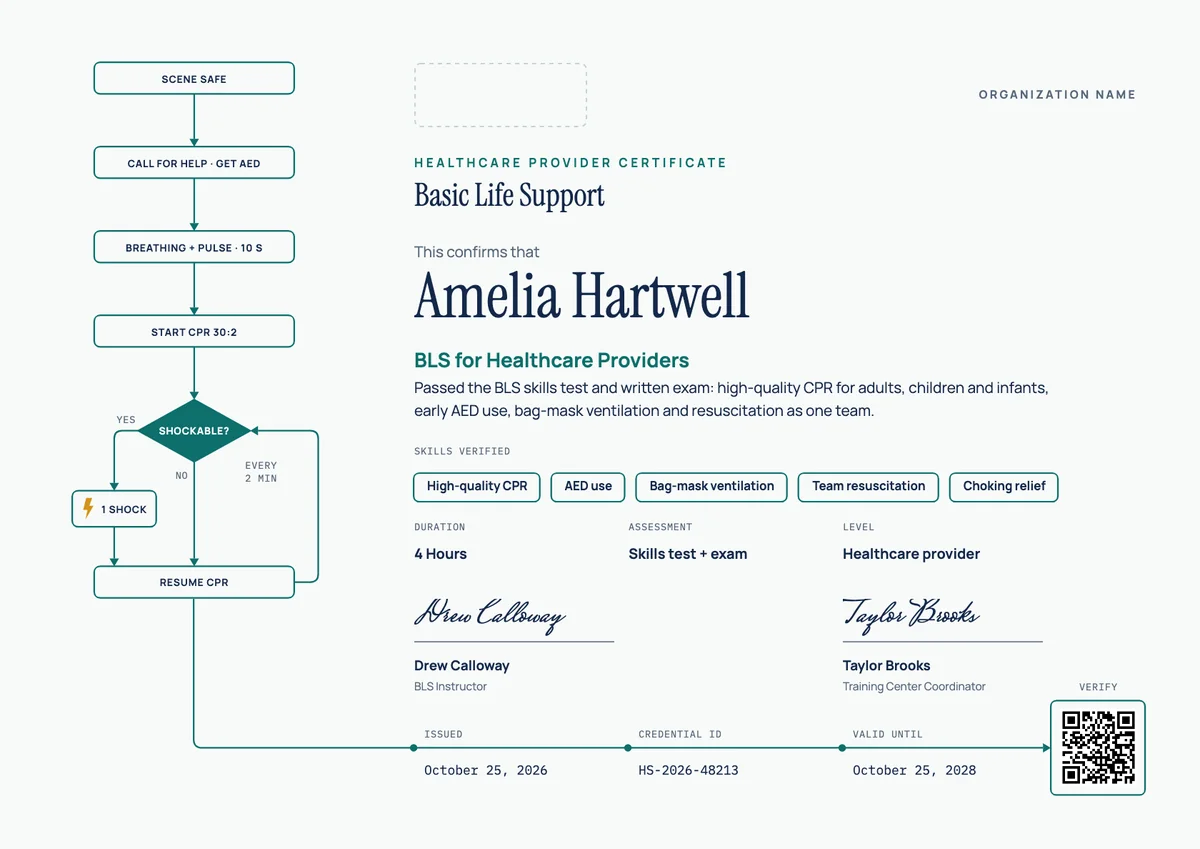
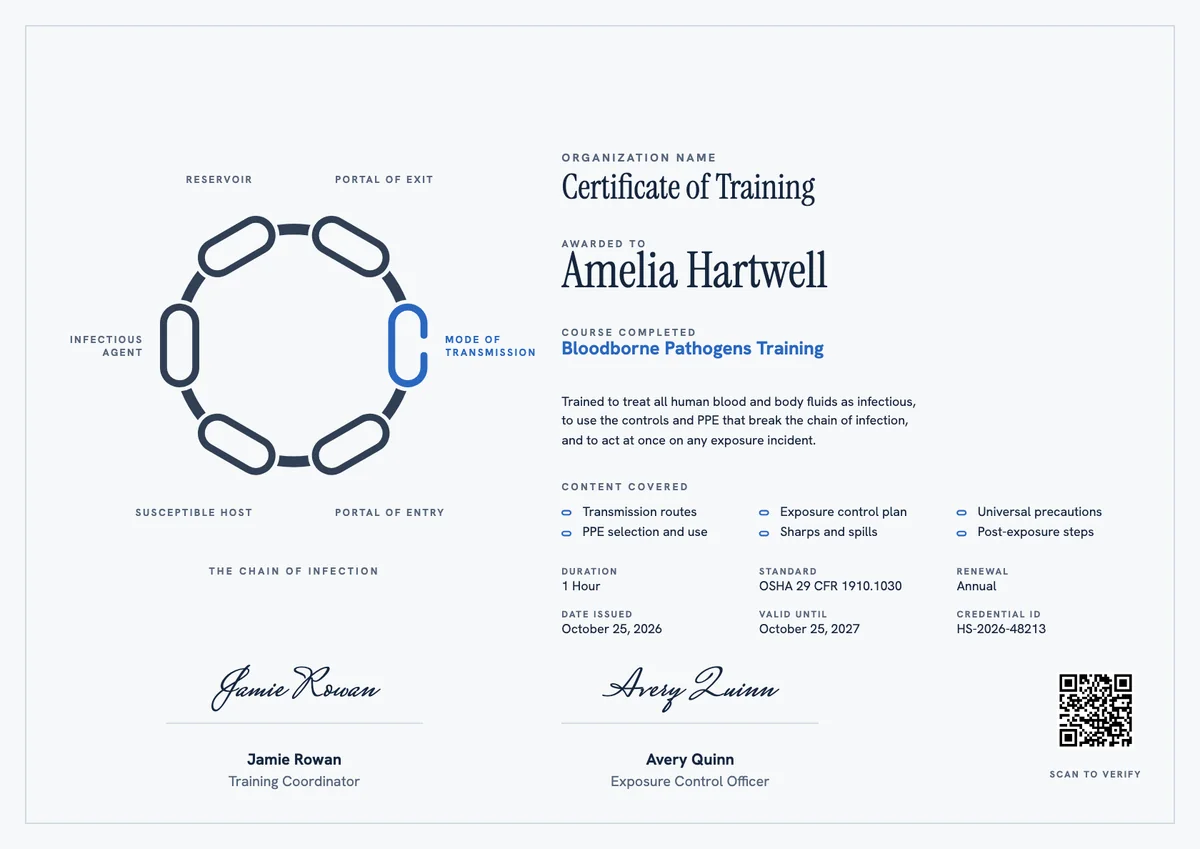
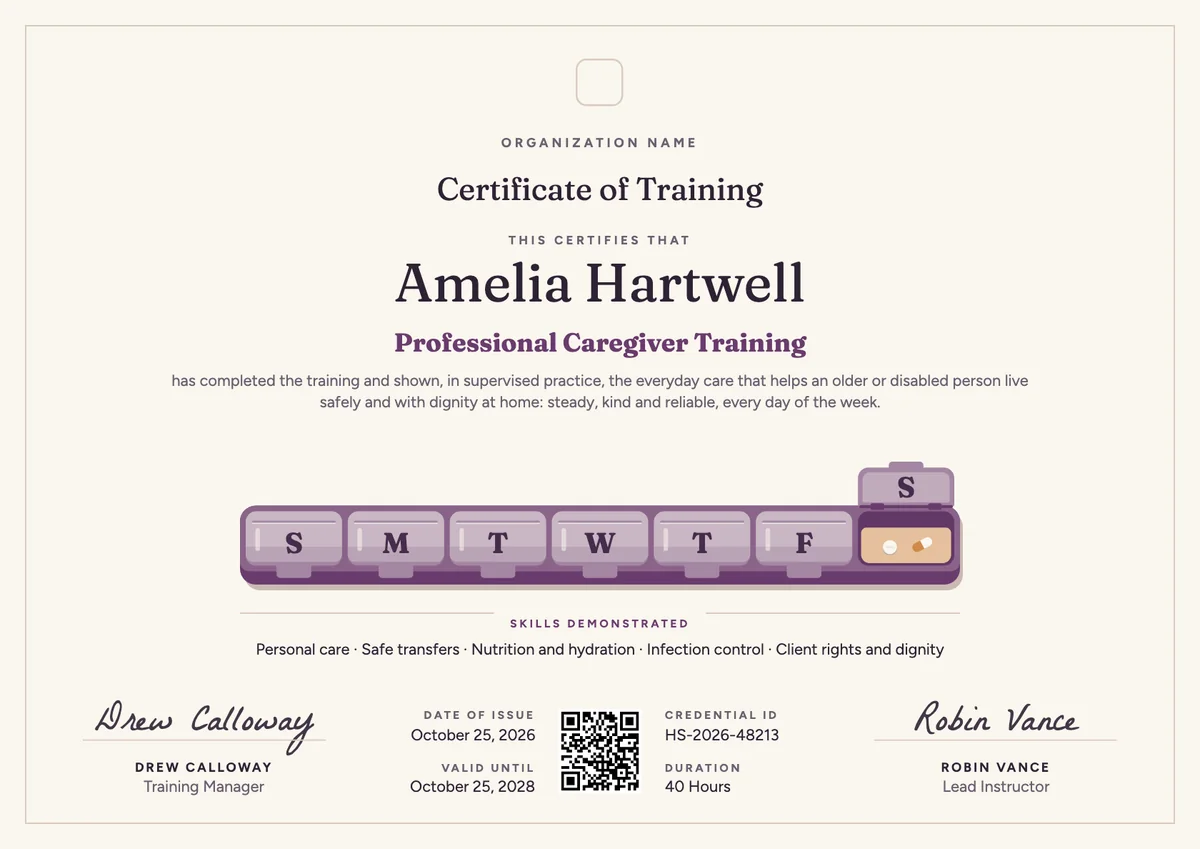
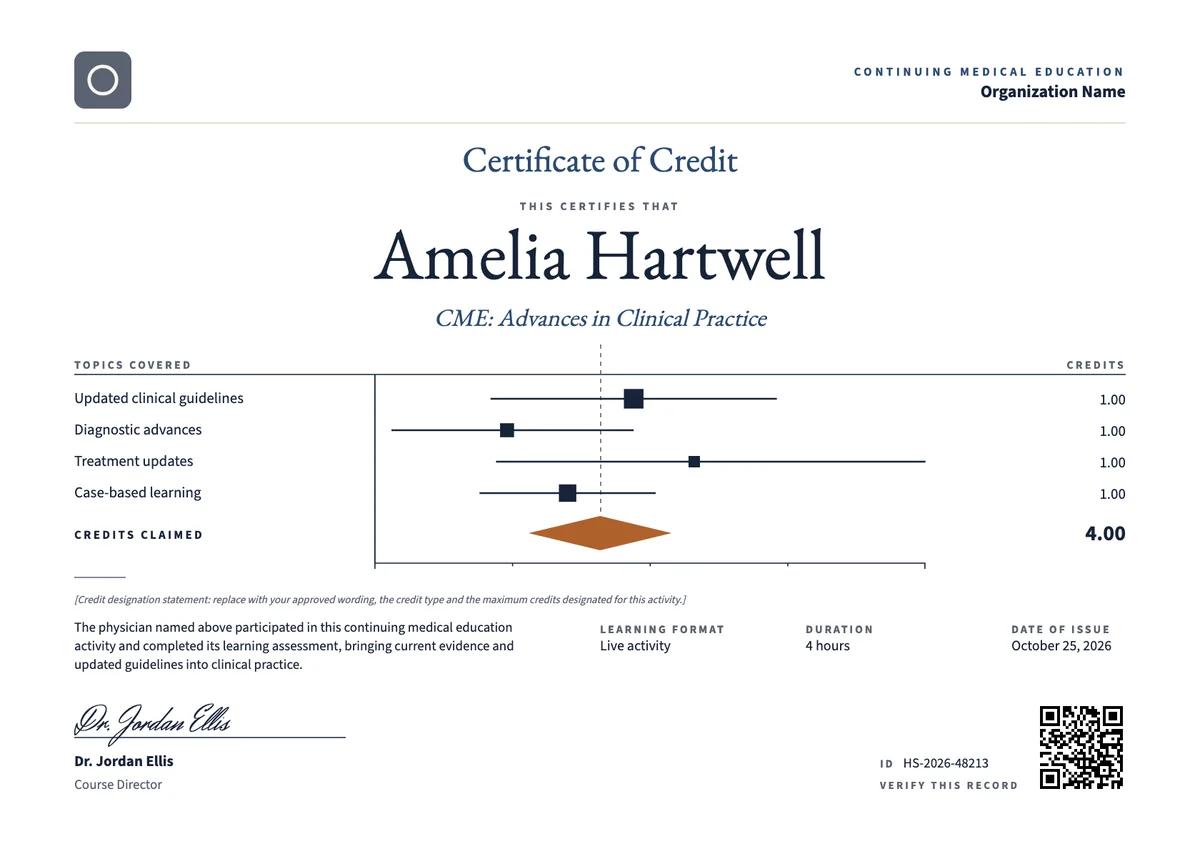
A good certificate for CPR names the person and the class, lists the age groups and skills covered (adult, child and infant CPR, the AED, choking relief), and shows the length of the class, the issue date, a valid-until date and the instructor's signature. Designs here come as printable certificates in A4 and US Letter and as digital badges, so the same award can go on a staff file, a noticeboard or a professional profile.
Wording
What to write on a cpr training certificate
Use these lines as they are, or as a start for your own. Every template comes with wording you can change in the studio.
Wording for a CPR and AED certificate
- “Has completed a CPR and AED class for adults, children and infants and passed the instructor's practical skills check.”
- “For completing hands-on CPR training, including chest compressions, rescue breaths, AED use and choking relief.”
- “Awarded for taking part in our lay rescuer CPR class and showing each skill on a training manikin.”
Wording for a CPR refresher class
- “Has refreshed their CPR and AED skills and is recorded as trained until the date shown.”
- “For returning to practise compressions, breaths and the AED once again, and keeping their skills current.”
Short lines for a CPR badge
- “CPR trained”
- “Ready to help until help arrives”
- “CPR and AED, skills checked”
Why send it with Hyperstack
More than a PDF
Customize the template free. When it is ready, send it to everyone at once.
One design, every name
Upload a spreadsheet and Hyperstack makes a certificate of completion for each person on it, in one go.
Sent by email
Each recipient gets their own email and link. You see who opened it, downloaded it and shared it.
Anyone can verify it
The QR code opens a page that proves the certificate is real. Recipients add it to LinkedIn in one click.
FAQ
Questions, answered
Yes. Adult CPR and CPR for children and infants are taught as different techniques, so readers want to know which ones the person practised. Name them in the program title or in the skills list, for example Adult and Pediatric CPR and AED.
The instructor who watched the learner do the skills. Some organisations add a second line for the safety manager, school head or course coordinator. Print each signer's role under the name so a reader knows who checked the skills.
Most providers do. Hands-on skills get rusty when they are not used, and many employers and schools ask staff to take a refresher every one or two years. A valid-until date on the certificate makes it easy to plan the next class before the record runs out.
You can, but name the session clearly, for example Hands-Only CPR Awareness, and use a certificate of attendance rather than completion. Then nobody mistakes a short demonstration for a full class with rescue breaths, the AED and a skills check.
No. Your certificate records that the person completed your class. If you run a program from a national resuscitation council or heart association, that body may issue its own card. Keep your certificate in your organisation's name, and do not use another body's name or logo on it without permission.
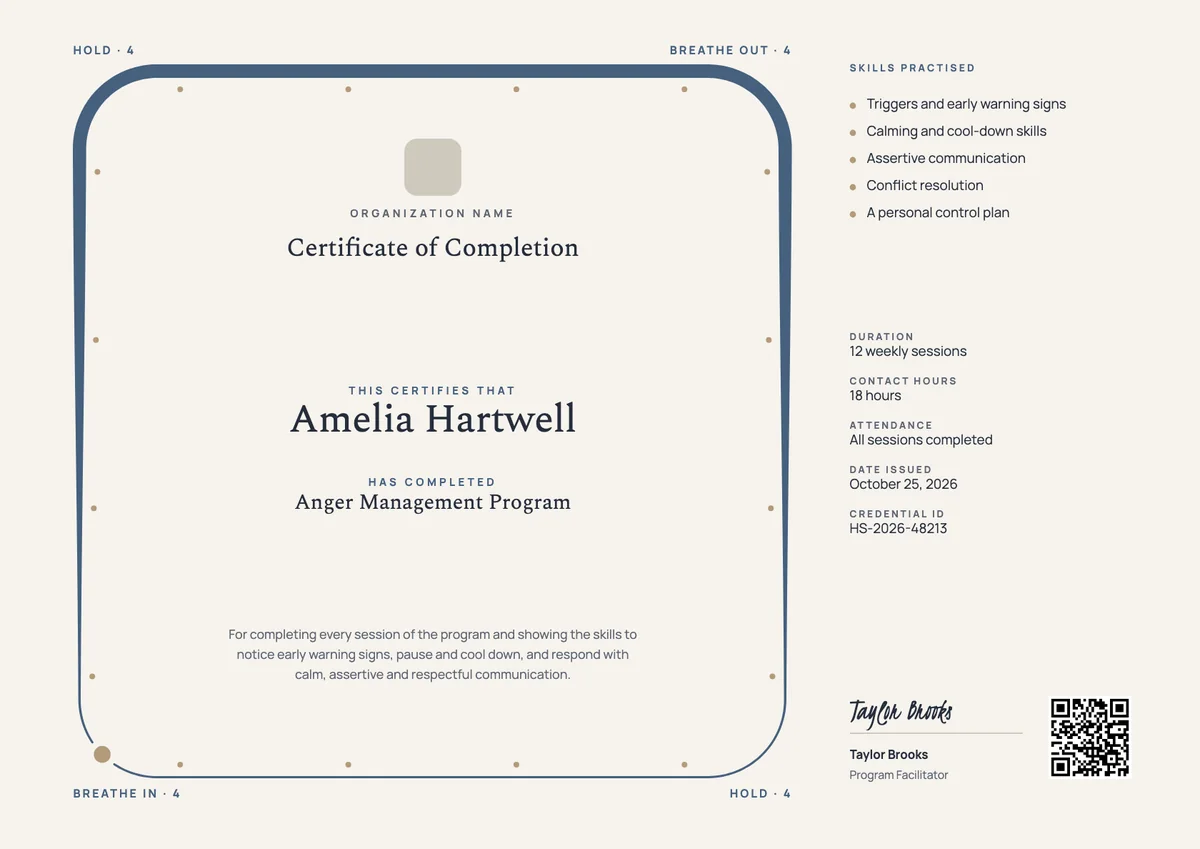
Your next cohort deserves better than a PDF
Set up in minutes, send your first credentials today, and only pay once you grow past 20 recipients a year.
Or open a live sample credential